Reducing food waste at home is a goal that benefits both your wallet and the planet. Around one-third of all food produced globally is lost or wasted, which has significant environmental and economic impacts. By making small changes in how we shop, store, and use food, we can cut down waste considerably. This post will guide you through practical and easy ways to reduce food waste in your household.
Why Is Reducing Food Waste Important?
Food waste isn’t just about throwing leftovers in the trash. It means wasting the resources used to grow, process, and transport that food—like water, energy, and labor. When food ends up in landfills, it also produces methane, a potent greenhouse gas contributing to climate change.
By reducing food waste, you help:
– Save money on groceries by using what you buy.
– Lower your environmental footprint.
– Support global efforts toward sustainable food consumption.
Smart Shopping: The First Step to Waste Reduction
Plan Ahead
Before you head to the grocery store, plan your meals for the week. Check what ingredients you already have to avoid buying duplicates. Creating a shopping list based on meal plans helps buy only what you need.
Avoid Impulse Buys
Supermarket layouts and sales can tempt you to buy more than necessary. Stick to your list and avoid sales on items you won’t use soon.
Buy in Appropriate Quantities
Bulk buying can be cost-effective but consider if you can consume large quantities before they spoil. For perishables, smaller amounts might reduce waste.
Proper Food Storage Extends Freshness
Know Your Produce
Some fruits and vegetables last longer refrigerated, while others prefer the countertop. For example, tomatoes and potatoes should be kept out of the fridge, whereas berries and leafy greens need cool storage.
Use Airtight Containers
After opening packages or cutting food, store items in airtight containers or resealable bags to keep them fresh and prevent odors.
Keep Your Fridge Organized
Place older items toward the front and newer purchases behind to use first-in, first-out (FIFO) method. Regularly clean out expired or spoiled food.
Creative Cooking to Use Up Leftovers
Repurpose Leftovers
Transform dinner scraps into new dishes. For instance, roast vegetables can become soups or salads, and stale bread works as croutons or breadcrumbs.
Freeze for Later
Many leftovers freeze well and can be stored safely for weeks. Portion meals before freezing for easy reheating.
Use the Whole Food
Try to use parts often discarded, such as broccoli stems in stir-fries, carrot greens in pesto, or citrus peels for zest or infusions.
Track and Understand Your Food Use
Keep a Food Diary
Note what foods you throw away regularly to identify patterns. This insight can help with smarter shopping and meal prep.
Set Reminders
Use your phone or a calendar to track expiration dates, encouraging you to use items before they spoil.
Composting: Making Waste Work for You
Start a Compost Bin
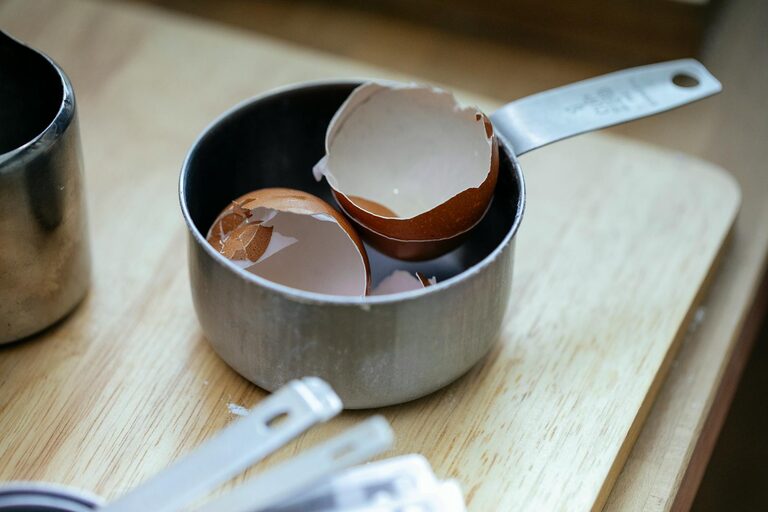
Separate food scraps like vegetable peels, coffee grounds, and eggshells for composting. This reduces landfill waste and creates nutrient-rich soil for gardening.
Learn What to Compost
Avoid composting meat, dairy, or oily foods at home, as they can attract pests and slow decomposition.
Use Your Compost
Apply your compost to potted plants or garden beds to improve soil health and plant growth.
Involve Your Household
Share the Goals
Make reducing food waste a household effort. Encourage everyone to take part in planning meals, storing food properly, and using leftovers creatively.
Educate and Encourage
Teach children about food value and waste through fun activities like growing herbs or cooking projects using leftovers.
Helpful Tools and Apps
Several apps can help reduce food waste by tracking your groceries, suggesting recipes based on what you have, or reminding you of expiration dates. Explore options to find what fits your lifestyle.
—
Reducing food waste at home is both manageable and rewarding. Through thoughtful shopping, smart storage, creative cooking, and composting, you can make a positive impact while enjoying fresher meals and saving money. Start with small changes and build habits that support a more sustainable kitchen!