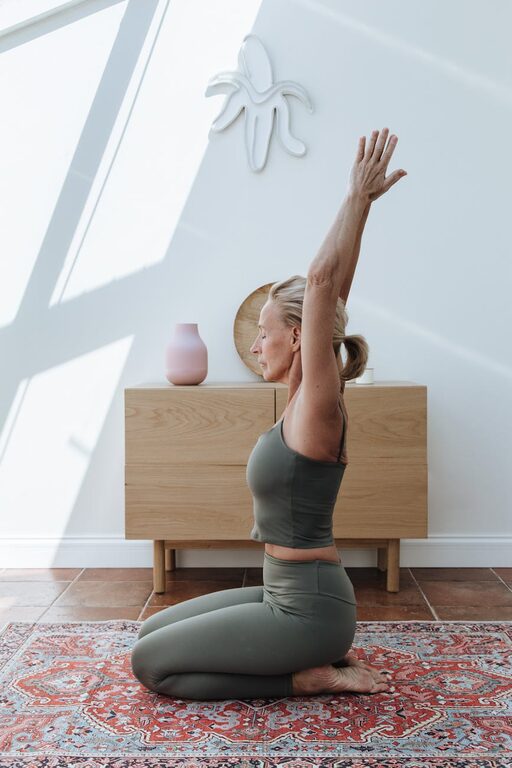
Stretching is a simple yet powerful way to improve your physical health and overall well-being. Whether you’re sitting at a desk all day or just looking for a gentle way to move your body, stretching can help reduce tension, increase flexibility, and promote relaxation. The best part? You don’t need any special equipment or a gym membership to get started. This beginner’s guide will walk you through the basics of stretching at home, with clear tips and easy stretches you can do anytime.
Why Stretching Matters
Stretching offers many benefits, including:
– Improved flexibility: Regular stretching helps your muscles and joints move more freely.
– Better posture: Stretching tight muscles can reduce strain on your back and neck.
– Reduced muscle tension: Stretching relaxes muscles, easing soreness and stiffness.
– Enhanced circulation: Stretching increases blood flow, bringing oxygen and nutrients to your muscles.
– Stress relief: Gentle stretching can calm your mind and reduce stress levels.
By incorporating stretching into your daily routine, you create a foundation for healthier movement and overall comfort.
When and How to Stretch Safely at Home
Best Times to Stretch
– After waking up: Stretching in the morning can help loosen muscles and prepare your body for the day.
– During breaks: If you work at a desk, taking a few minutes every hour to stretch can prevent stiffness.
– After exercise: Stretching post-workout aids in recovery and reduces muscle soreness.
– Before bed: Evening stretches can relax your muscles and promote better sleep.
Tips for Safe Stretching
– Warm up first: Stretch after a short walk or some light movement to warm your muscles.
– Go slow: Move into each stretch gradually and hold without bouncing.
– Listen to your body: Stretch to a comfortable point, not to the pain threshold.
– Breathe deeply: Deep breaths help relax your muscles during stretching.
– Balance your routine: Stretch both sides of your body evenly.
Essential Stretches for Beginners
Start simple with these easy stretches that target major muscle groups. Hold each stretch for 15–30 seconds and repeat 2–3 times.
Neck Stretch
- Sit or stand tall with your shoulders relaxed.
- Gently tilt your head toward your right shoulder until you feel a stretch on the left side.
- Hold, then switch sides.
- Sit or stand with your arms relaxed by your sides.
- Slowly roll your shoulders forward in a circular motion 10 times.
- Reverse the direction for 10 rolls backward.
- Stand near a doorway and place your right hand and forearm on the doorframe.
- Step forward gently with your left foot until you feel a stretch across your chest and shoulder.
- Hold, then switch sides.
- Begin on your hands and knees in a tabletop position.
- Inhale as you arch your back, lifting your head and tailbone (Cow Pose).
- Exhale as you round your spine, tucking your chin and tailbone (Cat Pose).
- Repeat 6–8 times, moving slowly with your breath.
- Sit on the floor with your right leg extended straight and your left leg bent, foot touching your inner thigh.
- Hinge forward at your hips and reach toward your right toes until you feel a stretch along the back of your leg.
- Hold, then switch legs.
- Sit on the floor with your legs extended.
- Bend your right knee and place your right foot outside your left thigh.
- Place your right hand on the floor behind you and your left elbow outside your right knee.
- Gently twist your torso to the right.
- Hold, then switch sides.
- **Set a schedule:** Aim for at least 5–10 minutes every day or every other day.
- **Choose a comfortable space:** Find a quiet area with enough room to move freely.
- **Use a timer:** Keep track of how long you hold each stretch.
- **Warm clothing:** Wear comfortable clothes that allow easy movement.
- **Keep it enjoyable:** Play calming music or breathe deeply to enhance relaxation.
Shoulder Rolls
Chest Stretch
Cat-Cow Stretch (Spine Mobility)
Hamstring Stretch
Seated Spinal Twist
Creating a Stretching Routine That Works for You
Extra Tips for Staying Motivated
– Keep a journal to track your progress and how your body feels each day.
– Pair stretching with other activities like listening to a podcast or practicing mindfulness.
– Invite a friend or family member to stretch with you for accountability.
– Celebrate small achievements, like increased flexibility or reduced tightness.
When to Seek Professional Guidance
While stretching at home is safe for most people, it’s a good idea to consult a healthcare professional if you experience any pain during stretches or have existing medical conditions. A physical therapist or fitness trainer can help tailor a stretching routine to your specific needs and ensure you use proper form.
—
Stretching at home is an accessible way to care for your body and mind. By starting slow and practicing regularly, you can enjoy greater flexibility, reduced tension, and a refreshing sense of well-being. Why not take a few minutes today to stretch and feel the difference?