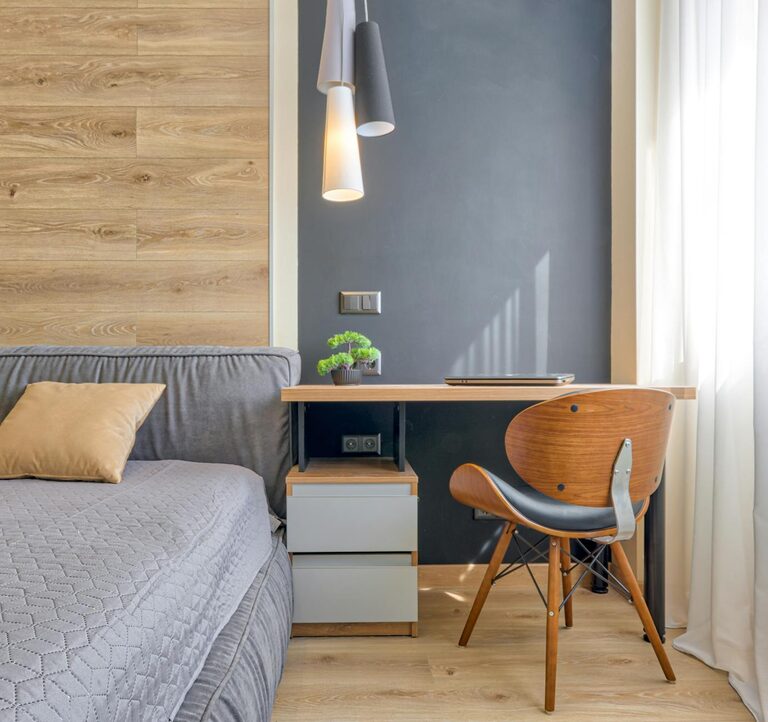
Creating a relaxing home workspace is essential for maintaining focus and reducing stress while working remotely. A well-organized, comfortable environment can significantly improve your productivity and work satisfaction. Here’s how to set up a space that promotes calm and efficiency.
Why a Relaxing Workspace Matters
Your work environment directly influences your mood and productivity. A cluttered, noisy, or uncomfortable space can lead to distractions, frustration, and burnout. On the other hand, a soothing workspace helps you stay concentrated, feel more motivated, and maintain a healthier work-life balance.
Choose the Right Location
– Quiet and Private: Select a spot with minimal foot traffic and noise, such as a spare room or a quiet corner.
– Natural Light: Position your desk near a window if possible. Natural light can improve your mood and reduce eye strain.
– Separate Space: Try to keep your workspace distinct from relaxation areas to help your brain associate the space with productivity.
Invest in Comfortable Furniture
– Ergonomic Chair: Choose a chair that supports your back and encourages good posture during long working hours.
– Adjustable Desk: A desk that can change height allows you to alternate between sitting and standing.
– Desk Size: Make sure your desk has enough surface area for your computer, notebooks, and essential supplies without feeling cramped.
Organize with Purpose
– Declutter Daily: Keep only what you need on your desk. Removing unnecessary items reduces visual distractions.
– Storage Solutions: Use shelves, drawers, or organizers to keep paperwork, gadgets, and office supplies neatly stored.
– Cable Management: Tidy cables with clips or ties to avoid a tangled mess that can stress you out.
Personalize Your Space
Adding personal touches can make your workspace more inviting and motivating.
– Plants: Incorporate small plants to bring life and improve air quality.
– Artwork: Hang inspiring images or quotes that uplift you.
– Color Choice: Use calming colors like soft blues, greens, or neutrals to create a peaceful atmosphere.
Control Lighting and Sound
– Adjustable Lighting: Have a desk lamp or overhead light with adjustable brightness to prevent eye fatigue.
– Sound Environment: Use noise-canceling headphones or play soft background music if it helps you concentrate.
– Minimize Distractions: Turn off unnecessary notifications or put your phone in another room when working.
Incorporate Break Areas
Even in a small space, having a dedicated spot to relax during breaks is helpful.
– Comfortable Seating: Add a cozy chair or cushion where you can step away from your desk.
– Stretching Space: Leave room for quick stretches or light exercise to refresh your body and mind.
Maintain Healthy Habits
A relaxing workspace is not just about physical surroundings but also about how you use them.
– Set Boundaries: Define work hours and stick to them to avoid burnout.
– Regular Breaks: Follow the Pomodoro technique or other break schedules to keep your mind fresh.
– Stay Hydrated: Keep a water bottle nearby to remind yourself to drink regularly.
Final Thoughts
Creating a relaxing home workspace is a blend of thoughtful design, comfort, and healthy habits. By paying attention to your environment and routines, you can build a space that supports your productivity and wellbeing. Start small—whether it’s decluttering your desk or adding a plant—and gradually transform your workspace into a calm, inspiring place where you enjoy spending time.